Music influenced by the world around us is varied and numerous, going way beyond singular tracks or songs and often birthing entire sub-genres and movements. In fact, often providing their names outright, for numerous urban influences, for example. Sounds whose inspiration comes from the natural environment can often be harder to pin down, and have a bit of a bad rep. But done well, music that draws its ebb and flow, sense of freedom and joy from our organic surroundings can be inspiring, elevating and energising. It can remind us of something that’s been around far longer than we have, and yet needs to be protected and cherished.
Two current releases really provide that connection, with contrasting takes on interpreting through sound the terrain and surroundings of the creator into new musical landscapes. Double Geography’s ‘Bad Landscape’ from June and the forthcoming ‘Miraggi’ by Argento are both highly evocative of the surroundings they are inspired by. One more rugged and wild, sometimes surreal and imagined, the other graceful and flowing, but both graphic sonic portraits worthy of attention. In addition they both draw heavily in their inspiration from soundtrack music. Sometimes overlooked or underappreciated, but a genre that comes with its own worldview and influence.
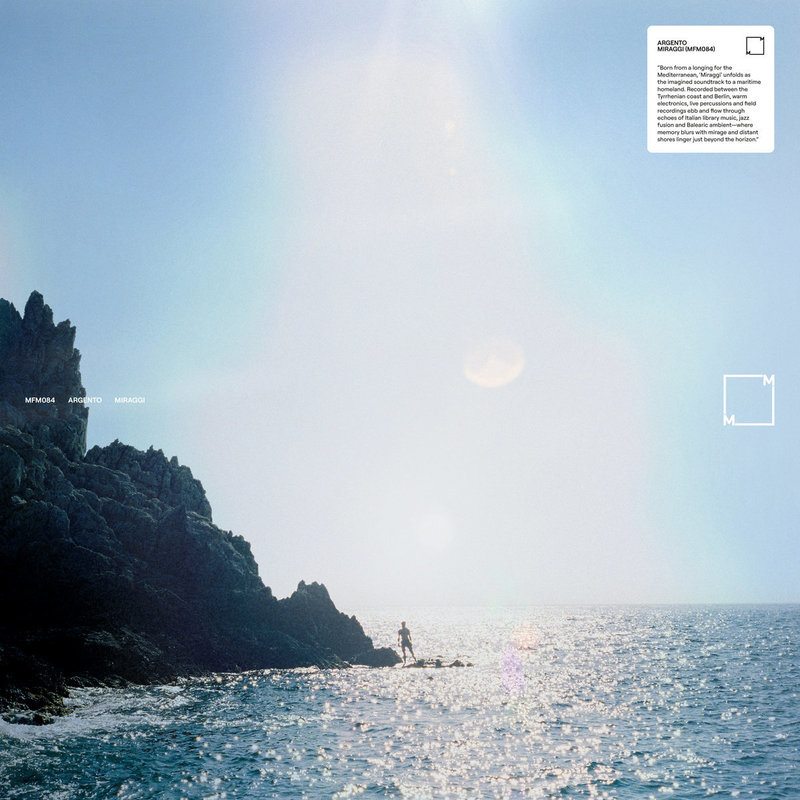
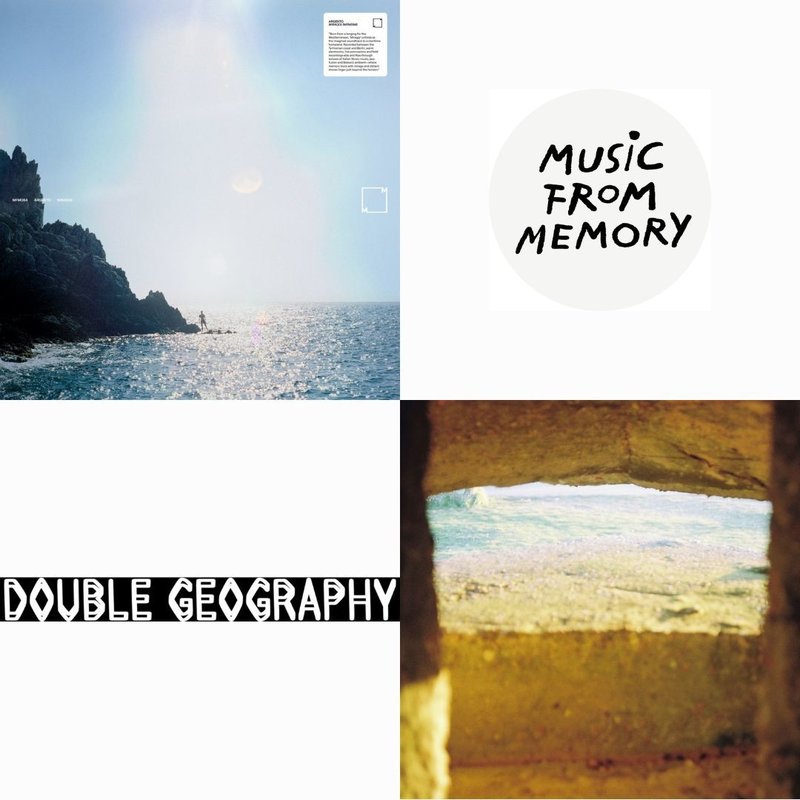
‘Argento’ is a new pseudonym for Italo-German artist, David August. A classically trained pianist whose career to date has variously taken in DJ residencies in Hamburg, improvising to the words of Alfred Hitchcock for Boiler Room and collaborating with the 50 piece Deutsches Symphonie Orchester Berlin. August’s previous album was made in collaboration with Moroccan graphic designer Hiba Baddou and featured an imaginary alphabet. It’s fair to say he doesn’t lack ambition or embrace a challenge.
So with ‘Miraggi’, its creation began via an extended period of time diving deeply into the varied and rich archives of Italian library music. Then, spending time in the Tyrrhenian coast to experience first hand the changing atmospheric conditions, their interplay with the vegetation and that most basic driver of landscape change, the Sea. Delicate and intricate instrumentation, full of depth and feeling is the result. Atmospheric, but far from simple background music. The inspiration can clearly be heard to come from the location of the music’s birth. Anyone who has visited the coast of Tuscany will recognise the feeling immediately.
‘Miraggi’ means ‘Mirages’ and the music here can feel just like that, a hazy vision whose shape can just about be made out, but leaves enough space for the mind to complete the picture.
A soundtrack to a landscape is quite a concept, and possibly difficult to visualise but somehow, if you close your eyes this works. Whether experiencing that physical geography in motion, or at rest, the sounds here are evocative of place. ‘Vento del Sud’ eases into the consciousness like a subtle breeze, and is a perfect introduction. ‘Sabbia Su Sabbia’ has a subtly rolling guitar and keyboard line to stir the heart. ‘Mare Arcaico’ carries restrained drums and synth lines into an under the radar banger. Meanwhile, ‘Tramonto’ has ambient-inflected gamelan sweeps that wash over each other in waves of harmony.
‘Alba’ has sparse flute musings and birdsong as an endpiece to side A, closing out the day as it turns to dusk and the atmospheric moods that evolve with it. ‘Ritmi Marini’ has a strong Mediterranean tension, showing that August’s still has that dance music sensibility in the locker as needed. ‘Salsedine’ has spacious drum poundings that evoke the relentlessness of waves on a rocky shore line, while ‘Muse Di Bronzo’ evokes the meandering, lazy drift down a coastal road as the evening draws in. ‘Miraggi’ means ‘Mirages’ and the music here can feel just like that, a hazy vision whose shape can just about be made out, but leaves enough space for the mind to complete the picture.
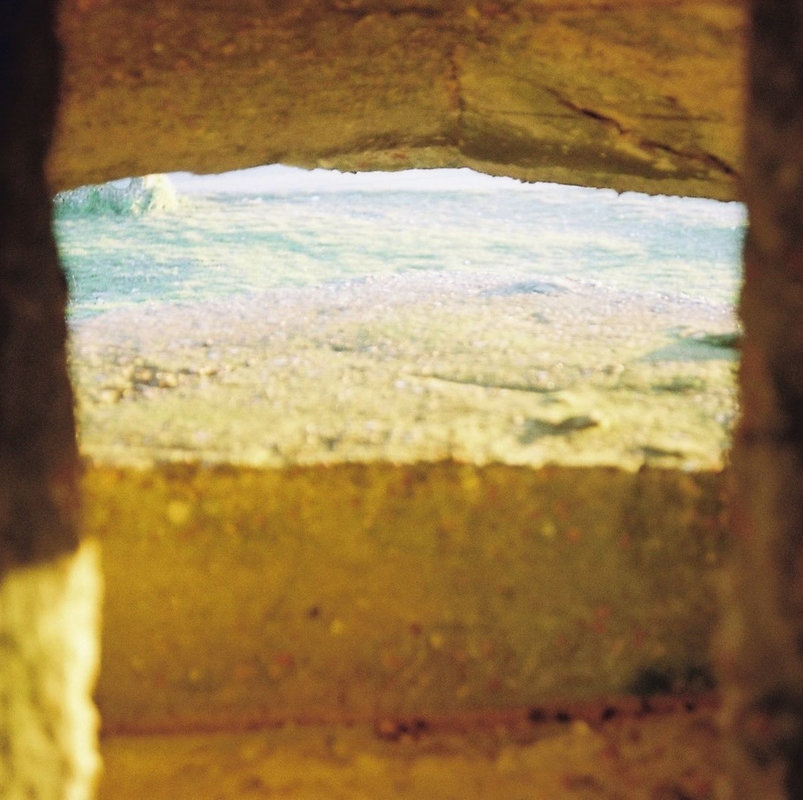
As an unplanned companion piece, Double Geography’s ‘Bad Landscape’ also takes influences from cinematic music, this time with an altogether more claustrophobic and inward looking approach. Instead of drawing inspiration from the expansive and open, Duncan Thornley has gone subterranean. Taking the opportunity to launch his own label to carry the release (Natural Progression), it’s a collection of Covid-times compositions, that have been curated ready for release as a reminder of those surreal days and months. Even the cover shot of the view from inside a WW2 bunker captures the claustrophobic environment of its creation.
K Leimer is noted as a touch point and a quick listen to the round up releases on RVNG show why. His dedication to the surreal as well as constructing pieces from found sounds and salvaged equipment and instruments chimes nicely with the ethos of Bad Landscape. Thornley’s starting point for Bad Landscape being an imagined soundtrack to a film where cyborg insects rule the world. It’s from this premise that each track on the album takes flight. In terms of environment, it’s a crossing point from the natural to the super natural.
DG very much has form for interpreting the world around him into music. 2024’s ‘Open Water’ was strongly influenced by a trip to Hydra in Greece and the sense of freedom and escape that came with it. ‘Flights’ meanwhile from four years ago, also looked to channel the feelings and emotions that came from long distance travel.
Track titles aren’t always instructive, however ‘Grinding the Grid’ makes sense as it takes opening duties, slowly building through an unrelenting bass pattern from which a more complex and lighter motif dances on top. It’s an emergent sounding piece, crawling, eyes blinking, into the light. ‘Slides and Dire Straights’ feels like the next chapter in that story, as it also creeps forward, this time mellowing off the edges with some expertly chosen synth effects and washes. ‘Bad Landscape I’ meanwhile scuttles here and there, a slightly agitated top line countered by a grounded rhythm track, an emergent theme it seems? ‘Dust Charts’ has more of an industrial feel and clatters somewhat, with whispered vocal snippets mysteriously darting in and out of the musical morass. It’s sibling ‘Bad Landscape II’ couldn’t be more opposite, a chiming ambient piece that bookmarks the midway point on this record.
Diving into part two, ‘Locust Supermarket’ somehow actually feels like the sound of a cloud of insects taking the middle aisle to pieces before moving onto its next victim. Not all of an insect’s life is lived at 100 mph, it is made up of times of dormancy, ready to become active again as the time and environment permits. ‘Surfacing Again’ hits that mark, a slow, methodical rearing of the head to check out what’s around before diving into the world once more. ‘Breakfast in Flatland’ has a calming feel, despite its otherworldly sound signature, and precedes the final piece of the album, ‘Tales from Termite Mound’. Of all the tracks here this one maybe best demonstrates how to capture natural motion (or the robot version of it?) and behaviour in sound. The relentless drive to achieve a mutual goal and the euphoric feeling that co-operation can bring when successful, whether that’s creatures small or large. Taken together, these two contrasting listening experiences come from very different places, but take inspiration from similar spaces and are both worthy of some deep listening for maximum enjoyment. Above or below ground.
Argento’s ‘Miraggi’ is available to re-order from the Music From Memory Bandcamp.
Double Geography’s ‘Bad Landscape’ is available now via Bandcamp.