As praias desertas continuam
Esperando por nós dois
The deserted beaches are still there
waiting for the two of us.
A piano scale flutters skyward. Expressive, enveloping cello wrapping around a vocal line tinged with melancholy. Stormy arpeggios, the tide washes out again for the next verse.
With apologies to Armando Perez, Ryuichi Sakamoto truly was Mr. Worldwide, active in seemingly all musics and with all musicians, but retaining a particular affinity for Brazilian music and its proponents. In 1985 he collaborated with Brazilian-American DNA guitarist/producer Arto Lindsay on a commission for Molissa Fenley's dance piece "Esperanto". I mean it's rather obvious but the idea of Esperanto--an outernational, emancipatory project with the stated goal of bringing people together is a key concept in understanding Sakamoto's work. Beauty appeared in 1989 (recently remastered and lovingly reissued by In Sheep's Clothing HiFi ); a gorgeous production unbound by genre or language and including contributions from Brian Wilson, Robert Wyatt, Sly Dunbar in its wide net.
1996 saw the outernational supergroup of Sakamoto, Cesária Évora and Caetano Veloso assemble for a languid trip-hop-cum-bossa cut on AIDS research fundraiser Red Hot + Rio. Really something that could only have happened in the 90s.
Introduced to cellist Jaques Morelenbaum at a concert, Sakamoto invited him and his vocalist wife Paula to collaborate on 1995's Smoochy, followed by 1996. Whereas the former was Sakamoto in full outernational mode, straddling genres and multiple collaborators, the latter is a classical piano trio (piano, cello, violin) treatment of "Merry Christmas, Mr. Lawrence", "The Last Emperor", and other well-known Sakamoto pieces. Those of us who grew up on the Suzuki Method will immediately recognise the tone and vibrato of violinist David Nadien from our ear training. 1996 is gorgeous and the arrangements set the tone for the album at hand.
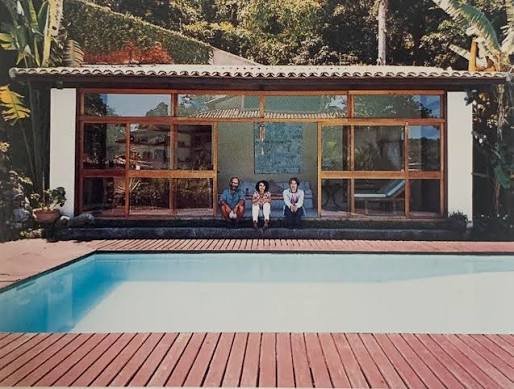
CASA took shape from a visit to Rio for a festival--Jobim had passed in 1996 and Sakamoto was able to visit the late composer's house and meet his widow Ana. (there is a wonderful piece translated into English on the Japanese blogging site note detailing the genesis of the album in great detail).
Recorded at Jobim's home in Rio, CASA is a kind of marvel. A classical treatment of Jobim's songs, a dialogue between Sakamoto & the Morelenbaums with input from collaborators including Jobim's son Paulo and MPB star Ed Motta. The idea of recording in a place is of particular import here. The songs are stripped bare, revealing a timeless edifice. No rundown of the bossa classics, this. No "Corvocado," no "Garota de Ipanema", or "Águas de Março". Instead, we get a devastating "Sabiá". A treatment of "Canção em modo menor" revealing the depth of Debussy's influence on Jobim (and Sakamoto). The sentimental waltz of "Imagina" with its charming pitter-patter vocal duet. Like all the best chamber music, it's alive with communication and wit.
So CASA has long been a sought-after record in the Sakamoto discography and our prayers were finally answered by a reissue this summer, even if it appears to be limited. We were able to get one via PlayAsia. Check your local record store, Discogs, or Japanese Amazon.
The Jobim.org site maintained by the Instituto Antonio Carlos Jobim is an amazing resource if you want to learn more about these incredible songs.