By this point, it's safe to say that Laurel Anne Chartow, better known as Laurel Halo, is one of the greats of her generation. Over the last sixteen years, the Los Angeles-based American musician, DJ and Awe record label owner has distinguished herself as a restless and exploratory talent who operates on a multitude of levels. When I think about her trajectory, from the lo-fi, hypnagogic synth-pop of IDM of her early EPs on Hippos In Tanks, to her expansive electronica albums on Hyperdub, and the ambient classical sensibilities of 2018's "Raw Silk Uncut Wood", it seems inevitable that she'd end up composing soundtracks for films.
As far as I'm aware, "Midnight Zone" is Halo's second time around composing a film score. The only other one I can remember is her work for "Possessed" graphic designer and documentary filmmaker Rob Schröder's film about togetherness in the age of the smartphone, where 20th-century state communism was supposed to head, and where we find ourselves now. Halo was the perfect composer choice for that kind of film, and she's also an ideal collaborator for "Midnight Zone"s director, the visual artist Julian Charrière.
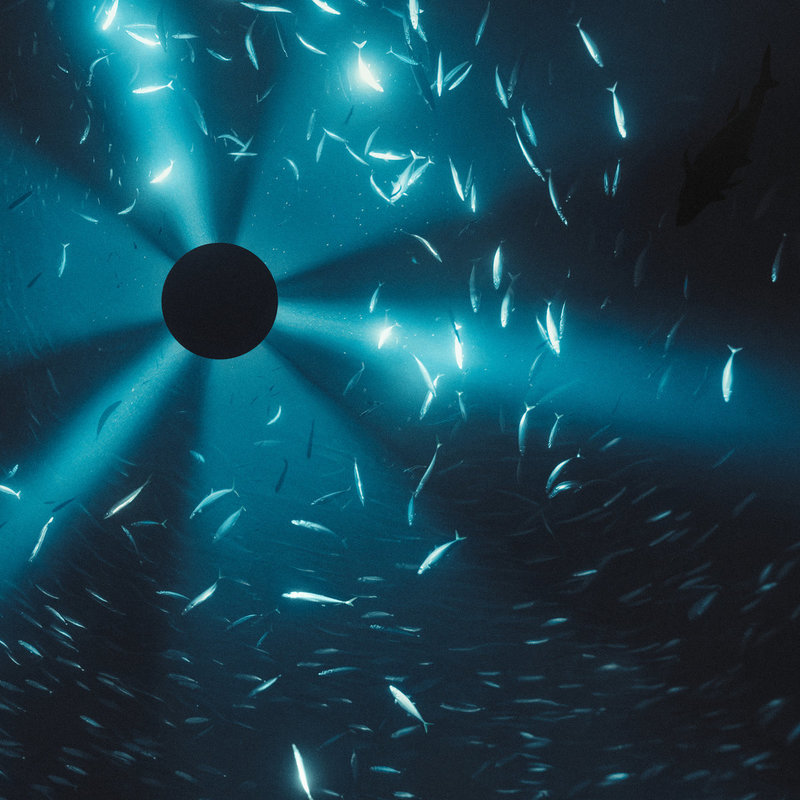
To understand where Charrière and Halo are headed with "Midnight Zone", all you really have to do is take a look at the soundtrack's aquatic cover art. On visual and music levels, this is a descent into the depths of the ocean. But for further exposition, here's a brief quote from the soundtrack sales notes: "Following the path of a drifting Fresnel lighthouse lens as it descends through the Clarion-Clipperton Fracture Zone — a remote abyssal plain in the Pacific Ocean, rich in rare metals and increasingly targeted for deep-sea mining — the film traces a descent into one of Earth’s last untouched ecosystems."
Over nine pieces ranging in length from 1:53 to 11:12, Halo works with a Montage 8 Synthesiser and a Yamaha TransAcoustic piano, combining their unique sound palettes with violin, viola da gamba, and ocean recordings to create a musical mode that feels like it's being performed while submerged.
When I first listened to "Midnight Zone," I found the experience eerily transportive. Whenever I closed my eyes, I could have very easily been inside a tiny submarine, heading deeper and deeper into the abyss with nothing to guide me but sound. I also thought about the final scene in Luc Besson's 1988 film, "Le Grand Bleu," where the free diver Jacques Mayol greets a dolphin deep underwater, before following it into the depths.
Eric Serra's soundtrack for "Le Grand Bleu" is one of the most aquatic film OSTs I've heard, but while he treats the ocean through a sparkly lens that reminds me of sunlight reflecting on rippling water, "Midnight Zone" is all about what happens beneath the waters. In a sense, it's almost an inversion of Hemingway's iceberg theory. Don't worry about the twenty percent of the iceberg you can see from above. Let's focus on the eighty percent below.
From the opening hum of Halo's long, textural drone piece, 'Sunlight Zone', her work here reveals itself as perfectly positioned to reward deep listening. Over just over eleven minutes, you can feel an ever-increasing level of hydrostatic pressure weighing down on the music. At first, her dronescape feels lonely and forlorn, but over time, flickers of life begin to emerge throughout the mix. It might be deep and dark down here, but the Clarion-Clipperton Fracture Zone is full of life.
Halo's "Midnight Zone" soundtrack is very much one of those suites you listen to as a suite. While you do so, the pieces blend and blur in and out of each other. For example: a warm, hypnotic tone on 'Abyss', shimmering synthesiser twinkles at points throughout 'Oreison', and the ghostly wails of 'Polymetallic Nodule'. It's easy to lose track of which piece you're listening to, and surprisingly, by the time the album ends, the descent has been far swifter than we might have ever expected.
Best to give it a second spin, I reckon. This time around, the journey very much is the destination.
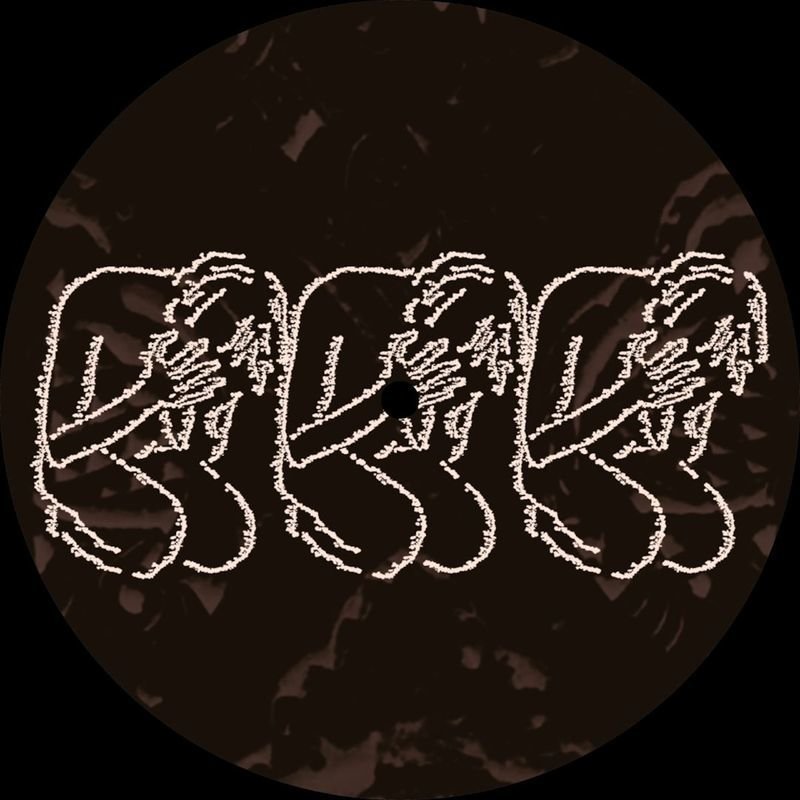
Midnight Zone (Original Soundtrack to the Film by Julian Charrière) is out now in vinyl, CD and digital formats.